Technické Dokumenty
Špecifikácie
Brand
RS ProPočet kontaktů
9
Typ produktu
D-Sub Connector
Proud
3A
Orientace
Straight
Typ montáže
Panel Mount
Pohlaví konektoru
Female
Konektor typu D
Micro-D
Materiál pouzdra
Aluminium
Napětí
250V
Betriebstemperatur min.
-55°C
Typ zakončení
Solder
Pohlaví kontaktu
Female
Maximální pracovní teplota
135°C
Normy/schválení
UL 94 V-0
Materiál kontaktu
Copper Alloy
Pokovení kontaktu
Gold
Krajina pôvodu
United Kingdom
Podrobnosti o výrobku
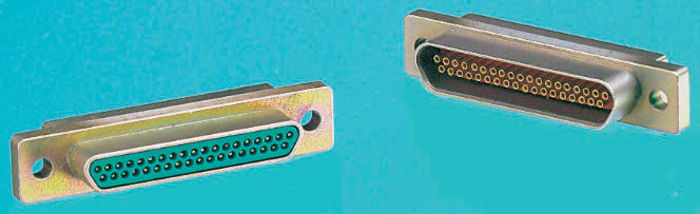
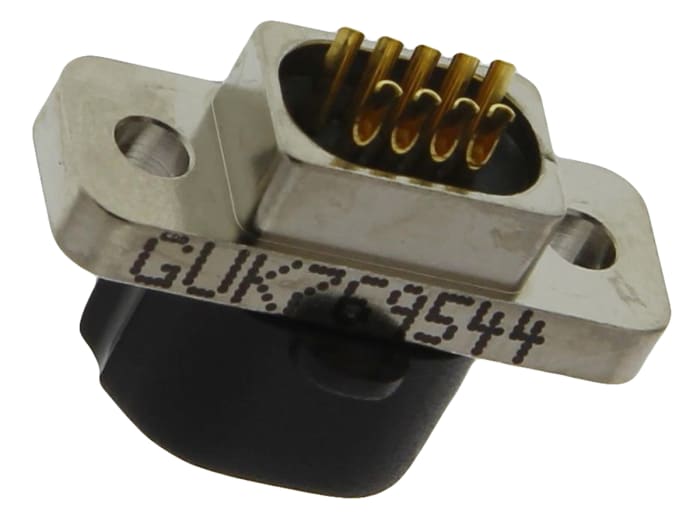
From RS PRO a durable high density, high-performance Micro-D D-Sub connector designed for use in rugged and demanding environments. The metal shell of this connector provides both EMI & RFI shielding. This d-sub also features an interfacial seal which offers protection to the contacts against moisture and humidity. This D-sub connector has a compact design with a contact pitch of just 1.27mm which means it is ideal for use in applications where weight and space need to be kept at a minimum.
A Micro-D connector is derived from the D-Sub connector and is also known as a microminiature D and is smaller and about half the length of the subminiature version. This connector has the same D-shaped metal shield the d-subminiature which provides mechanical support. The D-shape also ensures the correct orientation when mated and improves installation reliability. These microminiature D connectors are available as female D-sub sockets (or d-sub receptacles) with female contacts or male D-sub plugs with male pin contacts. The socket style female connector mates with the plug style male connector. Please note that a D-sub with a plastic shell cannot be mated with a D-sub with a metal shell.
This highly reliable d-sub connector with its robust and compact design can be used within rugged industrial and commercial environments. Applications for these D-sub plugs and sockets include the following:
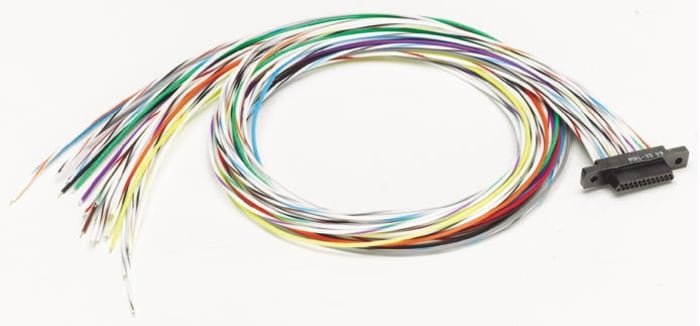
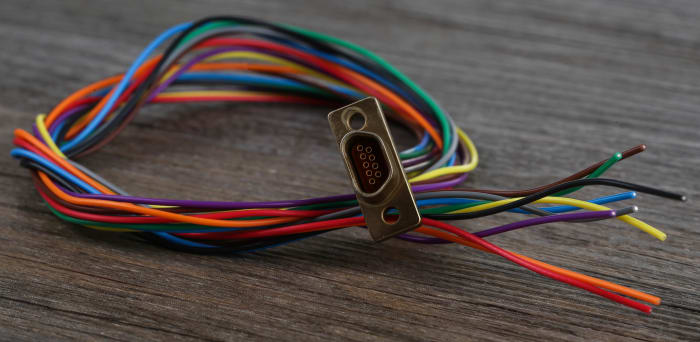
These d-subs feature solder cups which are hollow cup-like cavities into which the wire is inserted and secured by soldering. Firstly make sure the connector is held securely while working on it. Strip the ends of each wire using the depth of solder cups to gauge how much insulation you need to remove. Tin the exposed wire strands with a soldering iron and partially fill the solder cup with solder. Apply a soldering iron to the edge of the cup allowing the solder to melt. Insert the end of the tinned wire into the solder cup and hold it in place until the solder becomes solid. If the wire gauge is large enough to support itself in the cup place it in the cup and feed in the solder whilst applying the soldering iron to the back of the cup.
These d-subs are designed to be panel mounted. A hole is cut in the panel which is determined by the panel cut-out dimensions of the plug or socket. Two mounting flanges either side of the connector incorporate mounting holes. Holes are drilled into the panel to align with these mounting holes. The connector is then inserted into the panel cut-out and secured in place by inserting screws through the holes in both the connector and panel.
Informácie o zásobách sú dočasne nedostupné.
€ 51,79
€ 51,79 Each (bez DPH)
1
€ 51,79
€ 51,79 Each (bez DPH)
Informácie o zásobách sú dočasne nedostupné.
1
| Množstvo | Jednotková cena |
|---|---|
| 1 - 4 | € 51,79 |
| 5 - 9 | € 46,87 |
| 10 - 49 | € 44,28 |
| 50 - 99 | € 41,95 |
| 100+ | € 39,83 |
Technické Dokumenty
Špecifikácie
Brand
RS ProPočet kontaktů
9
Typ produktu
D-Sub Connector
Proud
3A
Orientace
Straight
Typ montáže
Panel Mount
Pohlaví konektoru
Female
Konektor typu D
Micro-D
Materiál pouzdra
Aluminium
Napětí
250V
Betriebstemperatur min.
-55°C
Typ zakončení
Solder
Pohlaví kontaktu
Female
Maximální pracovní teplota
135°C
Normy/schválení
UL 94 V-0
Materiál kontaktu
Copper Alloy
Pokovení kontaktu
Gold
Krajina pôvodu
United Kingdom
Podrobnosti o výrobku
From RS PRO a durable high density, high-performance Micro-D D-Sub connector designed for use in rugged and demanding environments. The metal shell of this connector provides both EMI & RFI shielding. This d-sub also features an interfacial seal which offers protection to the contacts against moisture and humidity. This D-sub connector has a compact design with a contact pitch of just 1.27mm which means it is ideal for use in applications where weight and space need to be kept at a minimum.
A Micro-D connector is derived from the D-Sub connector and is also known as a microminiature D and is smaller and about half the length of the subminiature version. This connector has the same D-shaped metal shield the d-subminiature which provides mechanical support. The D-shape also ensures the correct orientation when mated and improves installation reliability. These microminiature D connectors are available as female D-sub sockets (or d-sub receptacles) with female contacts or male D-sub plugs with male pin contacts. The socket style female connector mates with the plug style male connector. Please note that a D-sub with a plastic shell cannot be mated with a D-sub with a metal shell.
This highly reliable d-sub connector with its robust and compact design can be used within rugged industrial and commercial environments. Applications for these D-sub plugs and sockets include the following:
These d-subs feature solder cups which are hollow cup-like cavities into which the wire is inserted and secured by soldering. Firstly make sure the connector is held securely while working on it. Strip the ends of each wire using the depth of solder cups to gauge how much insulation you need to remove. Tin the exposed wire strands with a soldering iron and partially fill the solder cup with solder. Apply a soldering iron to the edge of the cup allowing the solder to melt. Insert the end of the tinned wire into the solder cup and hold it in place until the solder becomes solid. If the wire gauge is large enough to support itself in the cup place it in the cup and feed in the solder whilst applying the soldering iron to the back of the cup.
These d-subs are designed to be panel mounted. A hole is cut in the panel which is determined by the panel cut-out dimensions of the plug or socket. Two mounting flanges either side of the connector incorporate mounting holes. Holes are drilled into the panel to align with these mounting holes. The connector is then inserted into the panel cut-out and secured in place by inserting screws through the holes in both the connector and panel.